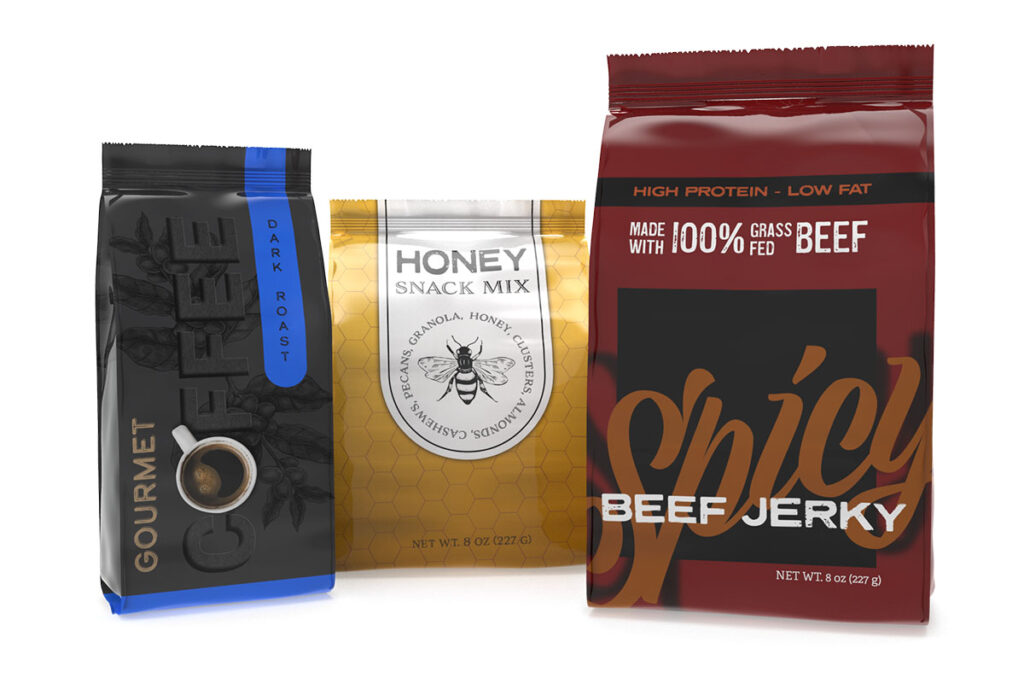
 Flexible packaging manufacturing depends on the controlled handling of thin, flexible materials through multiple converting processes. Films, foils, papers, and multilayer laminates must be transported through the production line while maintaining appropriate tension and web stability to ensure consistent product quality.
Because many flexible packaging materials are lightweight and sensitive to strain, even relatively small tension variations can affect process performance. Poor tension control can contribute to wrinkles, registration errors, winding defects, inconsistent lamination quality, and unnecessary material waste. Proper tension control helps manufacturers maintain stable operation throughout the converting process while improving product consistency and production efficiency.
WHY TENSION CONTROL MATTERS IN FLEXIBLE PACKAGING
Unlike many traditional manufacturing processes, flexible packaging production involves moving material continuously through multiple processing stations. As roll diameters change, machine speeds vary, and material properties fluctuate, web tension naturally changes throughout production.
Successful converting operations require tension to remain within a defined operating range appropriate for the material and process.
Too little tension may result in:
- Wrinkles
- Poor tracking
- Inconsistent registration
- Loose wound rolls
Excessive tension may contribute to:
- Material stretching
- Registration variation
- Edge defects
- Web breaks
- Winding problems
Maintaining stable tension helps create a more predictable process and reduces the likelihood of quality-related issues reaching downstream operations.
FLEXIBLE PACKAGING PROCESSES THAT BENEFIT FROM TENSION CONTROL
Film Extrusion and Winding
Following film production, stable tension helps promote consistent web handling through downstream operations. Proper winding tension can reduce wrinkles, edge defects, and roll formation problems that may affect later converting processes.
Printing
In printing applications, tension stability plays an important role in maintaining registration accuracy. As unwind and rewind roll diameters continuously change, automatic tension control helps reduce tension variation that could otherwise impact print quality and repeatability.
Laminating
Lamination processes often require precise coordination between multiple webs. Maintaining proper tension helps materials combine uniformly while reducing the likelihood of wrinkles, curl, and other defects that can affect finished package appearance and performance.
Slitting and Rewinding
Slitting and rewinding operations depend on stable tension to achieve consistent roll quality. Proper tension control can help reduce winding defects such as telescoping, loose rolls, offset edges, starring, and core damage while improving the consistency of finished rolls.
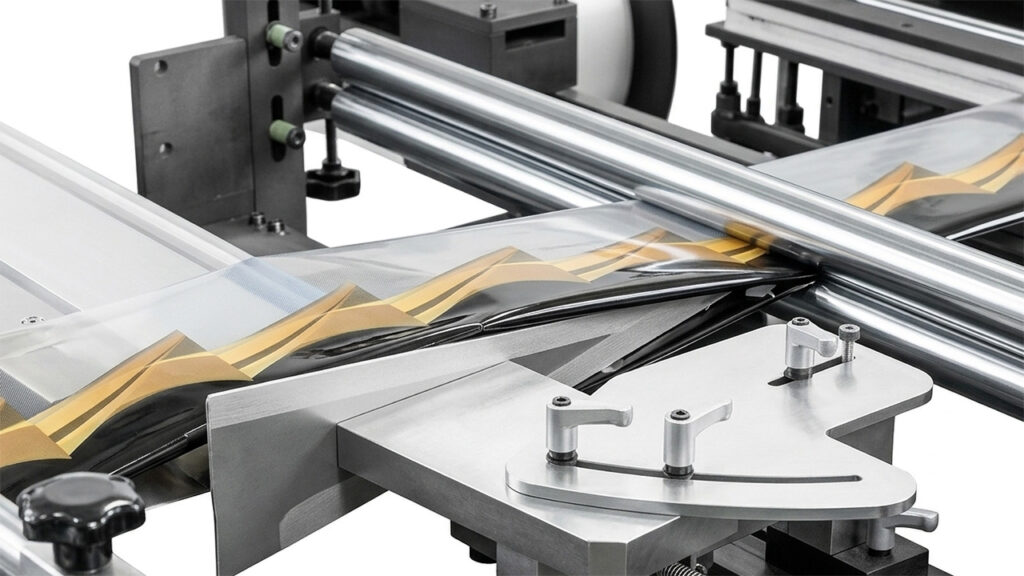
Pouch Converting
Many pouch-making operations involve registration, folding, sealing, die cutting, punching, and welding processes. Stable web tension helps improve web positioning and process repeatability across these critical manufacturing steps.
BENEFITS OF AUTOMATIC TENSION CONTROL
Properly implemented tension control systems can help flexible packaging manufacturers achieve:
- Reduced scrap and material waste
- Improved registration performance
- Better lamination quality
- More consistent roll formation
- Fewer web breaks
- Improved process stability
- Reduced operator intervention
- Increased production efficiency
When tension variation is minimized, manufacturers gain greater control of the converting process and improve overall product consistency.
HOW FLEXIBLE PACKAGING TENSION IS MEASURED AND CONTROLLED
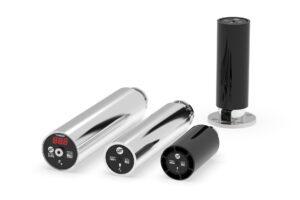
Web tension is most commonly measured using load cells mounted beneath an idler roll. These sensors measure the forces generated by the moving web and provide continuous feedback to a control system.
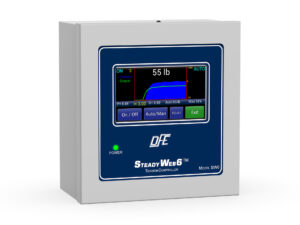
A closed-loop tension controller compares measured tension to the desired setpoint and automatically adjusts braking torque, clutch torque, or drive output to maintain the target tension range.
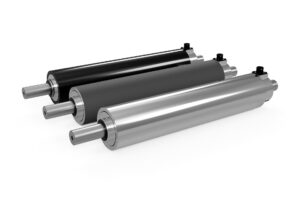
For retrofit applications, installation simplicity is often as important as measurement accuracy. Traditional load cell installations may require modifications to machine frames, bearings, or roller mounting arrangements, increasing project cost and downtime.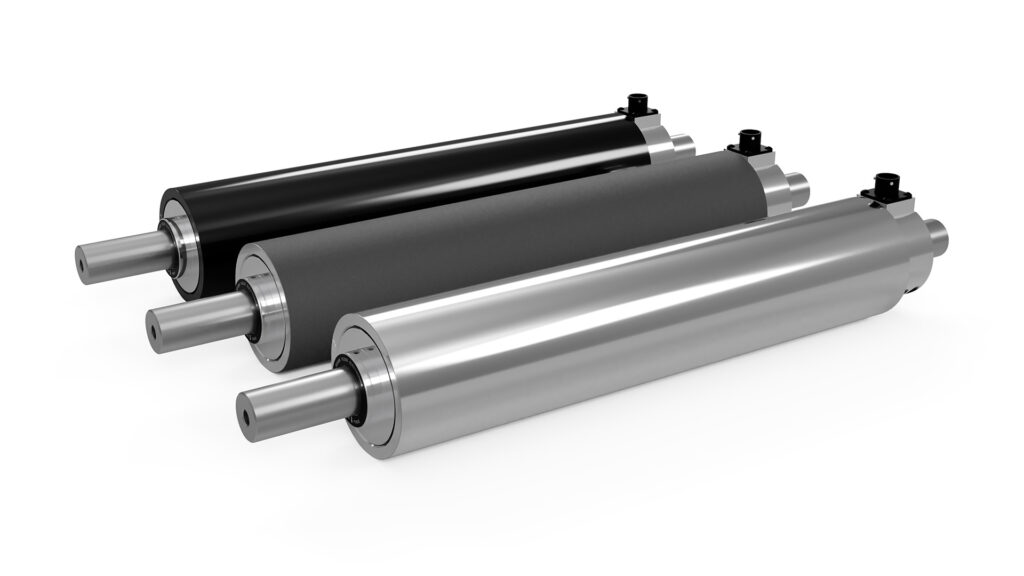 The Tension Roll® Transducer simplifies this process by integrating precision tension sensing directly into a custom idler roll assembly. Designed as a drop-in replacement for an existing roller, the system allows converters and OEMs to add accurate tension measurement with minimal machine modification.
This semi-custom approach can significantly reduce engineering effort, installation time, and production disruption while providing the benefits of closed-loop tension control.
By combining load cell feedback with automatic control of brakes, clutches, or drives, manufacturers can maintain more consistent tension from unwind through rewind while improving process stability throughout flexible packaging operations.
TYPICAL FLEXIBLE PACKAGING TENSION CONTROL SYSTEMS
A typical automatic tension control system may include:
- Tension sensing load cells or a Tension Roll® Transducer
- A closed-loop tension controller
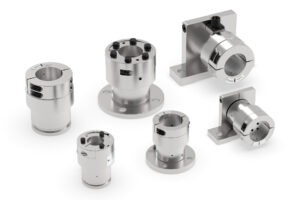
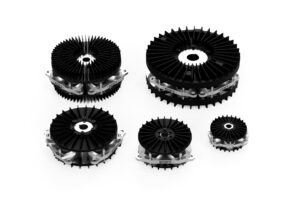
- Pneumatic brakes
- Magnetic particle brakes or clutches
- Motor drive systems
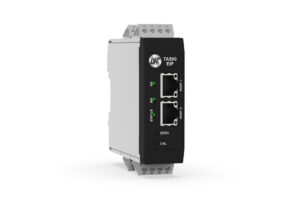
- Signal amplifiers and communication interfaces for PLC integration
The specific solution depends upon machine design, material characteristics, operating speeds, and process requirements.
WHY CONVERTERS CHOOSE DFE
For decades, Dover Flexo Electronics (DFE) has helped flexible packaging manufacturers improve process stability through accurate tension measurement and automatic tension control systems.
DFE solutions are designed for both new equipment and retrofit projects. Products such as the Tension Roll® Transducer make it practical to implement closed-loop tension measurement without extensive machine modifications, helping manufacturers upgrade existing equipment while reducing installation complexity and downtime.
Whether the application involves extrusion, printing, laminating, slitting, rewinding, or pouch converting, DFE provides the sensing and control technologies needed to support reliable, repeatable production performance across the converting process. Contact an application engineer to discuss your specific requirements today.