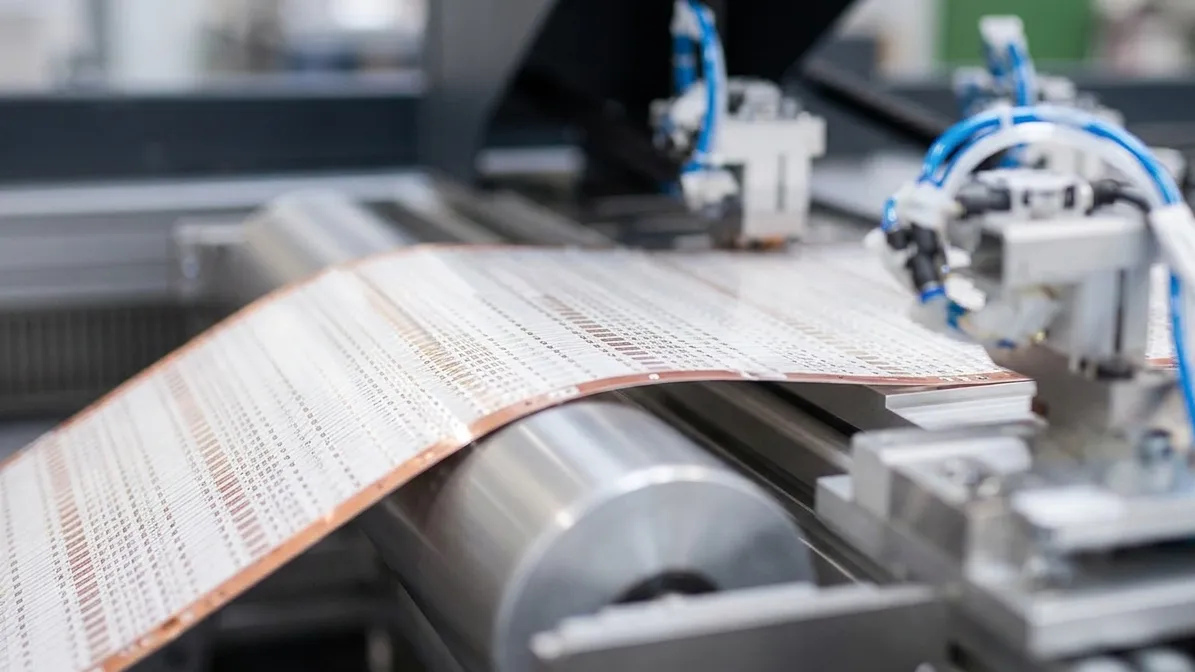
Producers of flexible printed circuits and printed electronics operate at the complex edge of roll-to-roll manufacturing. They are not simply moving material from one roll to another, they are transporting thin, high-value substrates through processes that may include cleaning, coating, printing, imaging, plating, etching, lamination, curing, inspection, slitting, and winding.
Many of these substrates are delicate and dimensionally sensitive. A small change in web tension can strain the material, shift a printed feature, disturb multilayer registration, or create a defect that remains hidden until electrical testing or final assembly.
That makes web tension control an important part of process control.
R2R manufacturing can increase throughput, reduce material handling, and lower unit costs. Flexible circuit manufacturers may use continuous processing for imaging, plating, etching, drilling, and finishing. Printed-electronics manufacturers may deposit conductive, dielectric, resistive, or other functional layers onto flexible substrates. In either case, the benefits of roll-to-roll production depend on maintaining stable tension, speed, alignment, and dimensional consistency.
FLEXIBLE SUBSTRATES RESPOND TO FORCE
Flexible circuits commonly combine polymer films with copper conductors, adhesives, coverlays, shielding layers, and stiffeners. Printed electronics may add conductive inks, dielectric coatings, electrodes, sensors, or other functional materials to films, foils, papers, and specialty substrates.
Unlike a rigid panel, a flexible web elongates when tension is applied. If tension changes during processing, the amount of strain in the substrate can also change. This temporary elongation may shift the position of circuit patterns, coatings, registration marks, vias, and die-cut features.
Excessive tension can stretch or permanently deform the substrate, distort circuit geometry, damage edges, or cause tearing. Insufficient tension can allow the web to wrinkle, sag, wander, or slip on rollers.
The objective is not simply to keep the web tight. It is to maintain an appropriate, repeatable tension for each material and process.
WHERE TENSION CONTROL PAYS BACK
Printing, Imaging, and Registration
Registration is critical in flexible circuit and printed-electronics manufacturing. Circuit images, vias, coverlay openings, conductive traces, dielectric layers, and final cut geometry may all need to align within tight tolerances.
If tension changes between process stations or production passes, the substrate can lengthen or contract. Features applied under one strain condition may not align with features applied under another.
Web guiding controls lateral position across the machine. Tension control helps manage force and strain in the machine direction. A web can be centered but stretched, or properly tensioned while wandering sideways. Precision roll-to-roll lines frequently require both systems.
Stable tension supports consistent repeat length, improved layer-to-layer registration, lower setup waste, and greater repeatability between rolls.
Coating, Drying, and Curing
Flexible electronic products often incorporate thin functional coatings. Variations in coating uniformity may affect conductor resistance, dielectric performance, adhesion, sensor response, or overall device operation.
A web entering a coating station with insufficient tension may flutter, wrinkle, or fail to remain flat. Excessive or unstable tension can stretch the substrate and disturb its relationship with the coating equipment.
Dryers, ovens, and curing stations add another challenge. Heat may cause polymer films to expand, soften, shrink, or relax. A tension level that works at room temperature may produce excessive strain after the substrate enters a heated zone.
Manufacturers must therefore consider tension together with temperature, line speed, dwell time, and substrate properties. Thermally sensitive processes may require an isolated tension zone so the material can be controlled as its mechanical behavior changes.
Lamination and Coverlay Application
Flexible circuits frequently incorporate adhesives, coverlays, shielding films, protective layers, and stiffeners. These materials must enter the laminating nip flat, aligned, and under repeatable tension.
If incoming layers experience different or unstable strain, they may recover differently after lamination. This can produce curl, bow, wrinkles, trapped air, dimensional instability, or delamination.
Each material does not necessarily require the same tension. Different thicknesses and material properties may call for different setpoints. The important requirement is that each web be controlled appropriately and consistently.
Wet Processing and Converting
Cleaning, developing, plating, stripping, and etching can alter surface traction and web-handling behavior. Poor control may allow the substrate to contact machine components, wrinkle, fold, or move inconsistently through a process.
Tension is also important during slitting, punching, laser processing, and singulation. If the web is stretched inconsistently at the tooling point, the finished part may change dimensions after tension is released. The result can be cut-length variation, feature misalignment, inconsistent slit width, edge damage, or problems separating the scrap matrix.
CONTROL TENSION BY ZONE
Roll-to-roll lines should not be treated as one continuous span operating at a single compromise tension.
The unwind zone maintains stable material payoff as roll diameter and inertia change. Proper control prevents slack web, excessive strain, and disturbances from entering the process.
One or more intermediate zones isolate sensitive operations such as coating, printing, imaging, thermal processing, lamination, inspection, and slitting. Each section can then operate at the tension best suited to that process.
The rewind zone builds a stable finished roll without damaging the circuitry. Excessive rewind tension can deform the substrate, transfer impressions between layers, crush the core, or damage coatings and printed features. Insufficient tension can produce loose or telescoped rolls. Taper tension, which progressively adjusts tension as roll diameter increases, can help control internal roll stress.
DIRECT TENSION MEASUREMENT AND CLOSED-LOOP CONTROL
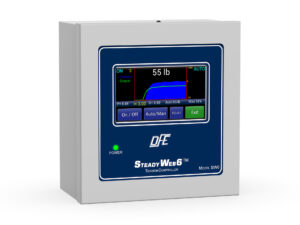
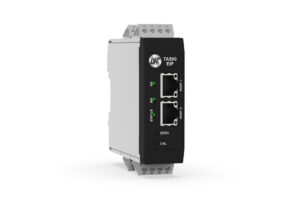
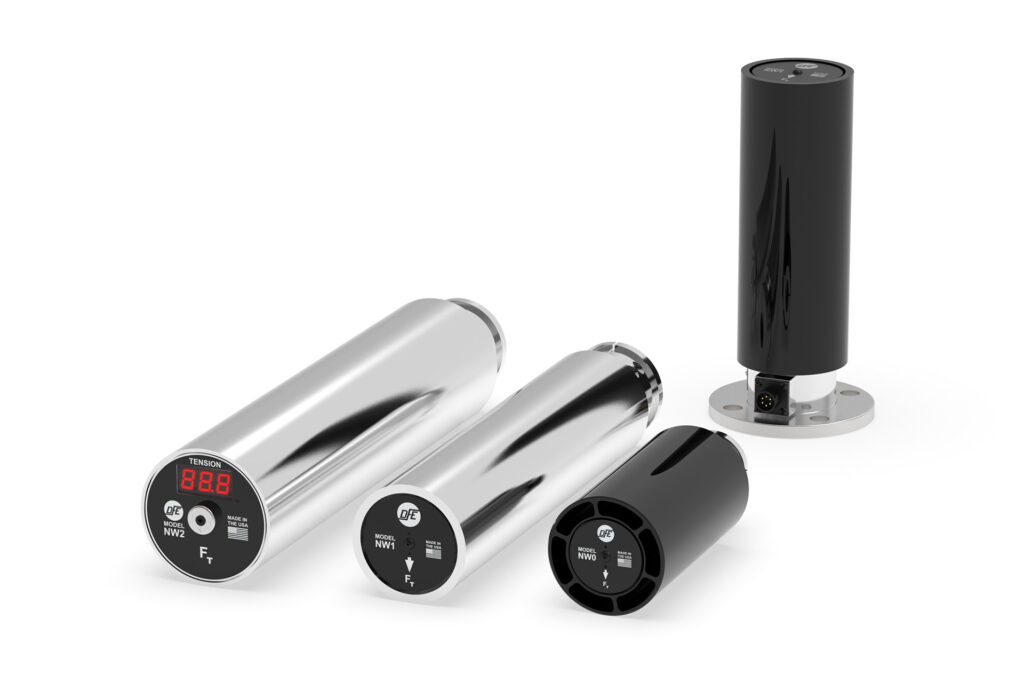
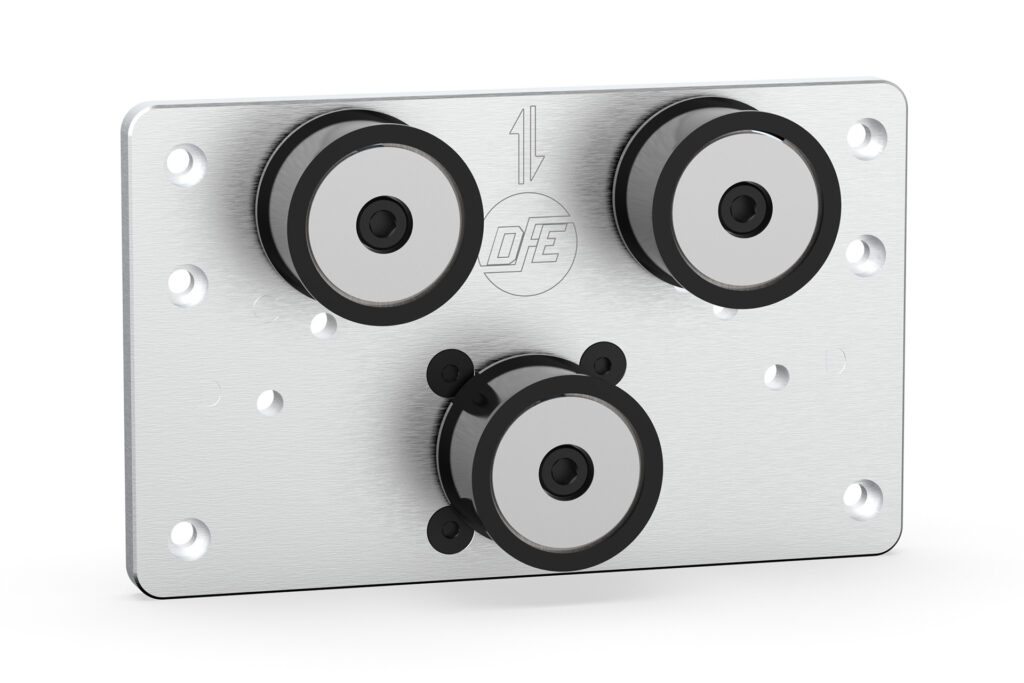
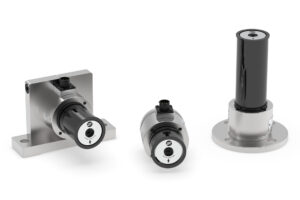
Direct tension measurement uses load cells, also called tension transducers, to measure the force applied by the web to an idler roll. A controller or PLC uses this feedback to adjust a brake, clutch, or motor drive.
Closed-loop tension control helps manufacturers compensate for changes in roll diameter, speed, temperature, and other process conditions. It can also reduce operator-dependent adjustments, identify tension disturbances, and make successful settings more repeatable across production runs.
Unlike estimated tension based on motor current or calculated torque, direct measurement identifies the actual force acting on the web. This provides greater visibility into process conditions and helps manufacturers recognize tension variation before it becomes a product defect.
RELIABLE TENSION CONTROL PROTECTS PRODUCT QUALITY
Flexible printed circuits and printed electronics combine delicate substrates, precise features, and multiple value-added process steps. From printing and coating through thermal processing, lamination, slitting, and winding, variations in web tension can affect registration, dimensional stability, coating uniformity, roll quality, and finished-product performance.
By measuring actual web tension and controlling it independently through the unwind, intermediate, and rewind zones, manufacturers can reduce process variation, protect sensitive materials, and improve repeatability from roll to roll.
Dover Flexo Electronics has decades of experience helping manufacturers improve roll-to-roll processes through accurate tension measurement and automatic tension control. Properly applied load cells, amplifiers, controllers, brakes, and drive interfaces can help flexible-circuit and printed-electronics manufacturers reduce scrap, increase throughput, and protect the value added at every stage of production.
To discuss your flexible circuit or printed-electronics application, contact a DFE sales representative or applications engineer today.